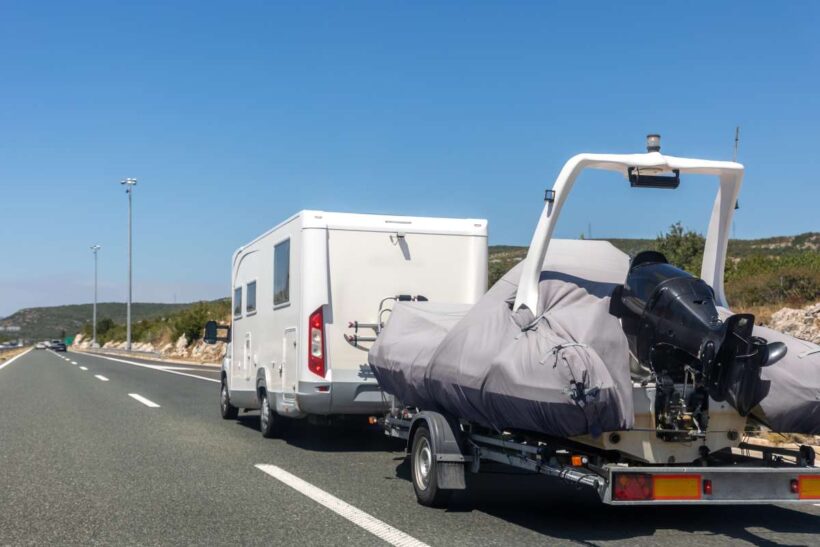

Buying a boat is an exciting milestone. Whether it’s a fishing boat for weekend adventures, a family cruiser for holidays, or a yacht purchased interstate, ownership opens up countless opportunities to enjoy Australia’s waterways. However, many first-time buyers overlook one important part of the process—getting the boat safely from its current location to its new home.
Unlike towing a small trailer down the road, transporting a boat across Australia involves planning, regulations, specialised equipment, and careful preparation. Even experienced boat owners can underestimate the logistics involved, while first-time buyers often don’t realise what they need to organise until the last minute.
The good news is that most transport problems are completely avoidable. By understanding the common mistakes made by new boat owners, it becomes much easier to ensure the transport process is smooth, efficient, and stress-free.
Assuming Every Boat Can Simply Be Towed
One of the biggest misconceptions among first-time owners is that every boat can simply be hooked onto a trailer and driven interstate.
In reality, every vessel is different.
Factors such as:
- Overall length
- Beam (width)
- Height
- Weight
- Trailer condition
- Hull design
all influence how a boat can legally travel on Australian roads.
Larger vessels may require specialised trailers, escort vehicles, permits or route planning. Boats without trailers may need cranes or travel lifts for loading and unloading.
Understanding these requirements early prevents unexpected delays and additional costs later in the process.
Not Measuring the Boat Properly
Many owners know the advertised length of their boat but forget that transport companies require far more detailed measurements.
Important dimensions include:
- Overall length including outboard motors
- Total width (beam)
- Height from the ground when sitting on the trailer
- Total transport weight
- Ground clearance
Even small measurement errors can affect permits, equipment selection, route planning, and pricing.
Providing accurate measurements from the beginning helps transport providers prepare the correct equipment and avoids last-minute surprises.
Waiting Until the Last Minute
Many first-time owners only start looking for transport after purchasing their boat.
Unfortunately, transport schedules—particularly during peak boating seasons—can fill quickly.
Popular periods include:
- Spring
- Early summer
- Holiday seasons
- Boat show periods
- End-of-financial-year sales
Leaving transport arrangements until the final days may limit available booking dates and potentially increase costs.
Organising transport soon after agreeing to purchase allows sufficient time for planning and scheduling.
Forgetting About the Trailer
When a boat already sits on its own trailer, many owners assume the trailer is roadworthy.
Unfortunately, trailers that have spent months—or even years—in storage often have hidden problems.
Common issues include:
- Worn wheel bearings
- Perished tyres
- Faulty lights
- Rust damage
- Brake problems
- Damaged coupling mechanisms
A trailer inspection before transport can prevent breakdowns during the journey and reduce unnecessary delays.
Read more: Are aluminium trailers any good? How long do aluminium trailers last, do they hold up?
Leaving Loose Equipment Inside the Boat
Many owners assume everything inside the boat can remain exactly where it is during transport.
While this might seem convenient, loose items can shift significantly during hundreds or thousands of kilometres on Australian roads.
Items commonly forgotten include:
- Life jackets
- Fishing gear
- Anchors
- Electronics
- Portable fuel tanks
- Ice boxes
- Camping equipment
- Personal belongings
These items can become damaged or damage the boat itself if left unsecured.
Removing valuable or loose equipment before collection is one of the simplest ways to avoid unnecessary problems.
Forgetting to Secure Covers and Accessories
Boat covers aren’t always designed for highway speeds.
Travel over long distances creates constant wind pressure that can quickly tear fabric, stretch fasteners, or cause covers to flap against the hull.
Other accessories that may need attention include:
- Bimini tops
- Canopies
- Antennas
- Rod holders
- GPS units
- Solar panels
- Radar arches
- Removable seating
Preparing these items before transport helps protect both the accessories and the boat itself.
Assuming Insurance Automatically Covers Transport
Insurance is another area where many first-time owners make incorrect assumptions.
Some policies include cover during transport, while others have limitations or require specific conditions to be met.
Owners should always confirm:
- Whether transport is covered
- What events are insured
- Whether there are exclusions
- Any documentation requirements
- The claims process if damage occurs
Understanding insurance beforehand provides confidence throughout the transport process.
Choosing a Transport Company Based Only on Price
It is tempting to compare quotes and simply choose the cheapest option.
However, interstate boat transport involves much more than moving cargo from one location to another.
Experience matters.
Professional transport providers understand:
- Oversize permits
- Safe loading techniques
- Marina access
- Boat handling
- Route restrictions
- Height clearances
- Secure tie-down procedures
Choosing solely on price can sometimes result in avoidable delays, poor communication, or unnecessary risks.
For many owners, reliability and experience ultimately provide better value than the lowest quote.
Forgetting About Pickup and Delivery Access
Many buyers only think about where the boat starts and finishes—not whether a transport truck can actually reach those locations.
Some marinas have:
- Limited operating hours
- Restricted truck access
- Booking requirements
- Crane availability
- Narrow entry points
Similarly, residential properties may have:
- Low trees
- Tight driveways
- Steep access
- Limited turning space
Discussing pickup and delivery logistics early helps avoid complications on collection day.
Not Planning Around Weather
Australia’s climate varies dramatically across states.
Transport may be affected by:
- Cyclones
- Heavy rain
- Flooding
- Bushfires
- Road closures
- High winds
While experienced transport companies monitor conditions carefully, owners should understand that safety always takes priority over strict delivery dates.
Allowing some flexibility reduces stress if unexpected weather affects scheduling.
Forgetting to Prepare the Boat Mechanically
Although the boat won’t be travelling under its own power, a basic inspection before transport is still worthwhile.
Owners should check:
- Battery security
- Fuel levels
- Fluid leaks
- Steering locks
- Loose hatches
- Bilge water
- Drain plugs
These simple checks make loading easier and reduce the likelihood of transport-related issues.
Overlooking Registration and Paperwork
Documentation is another commonly overlooked area.
Depending on the circumstances, owners may require:
- Proof of ownership
- Purchase documentation
- Registration details
- Identification
- Marina paperwork
- Collection authorisation
Having everything organised before pickup helps avoid unnecessary delays.
Not Asking Questions
Many first-time owners hesitate to ask what they feel are “basic” questions.
In reality, every boat is different, and every transport job has unique considerations.
Questions worth asking include:
- How should the boat be prepared?
- What measurements are required?
- Will accessories need removing?
- How long is transport expected to take?
- What happens if weather causes delays?
- How will communication be handled?
Clear communication usually leads to a much smoother experience.
Forgetting That Preparation Saves Money
Some owners focus entirely on the quoted transport price without considering how preparation affects the overall cost.
Being organised beforehand can help avoid:
- Additional loading equipment
- Extra waiting time
- Repeat collection visits
- Emergency trailer repairs
- Permit amendments
- Delayed deliveries
Good preparation often saves both time and money.
Thinking Interstate Boat Transport Is Only for Luxury Boats
Another common misconception is that professional boat transport is only suitable for expensive yachts.
In reality, transport services are commonly used for:
- Aluminium fishing boats
- Runabouts
- Ski boats
- Wake boats
- Trailer boats
- Cabin cruisers
- Catamarans
- Sailing yachts
Owners purchase boats interstate every day because they find the right vessel rather than limiting themselves to local listings.
Professional transport simply makes those purchases practical.
Why Professional Planning Makes the Difference
Moving a boat across Australia involves far more planning than many first-time owners expect. Every transport requires careful consideration of dimensions, access, regulations, scheduling, and preparation.
Fortunately, most common mistakes are easily avoided through early planning and good communication.
Working with experienced specialists allows owners to focus on enjoying their new boat rather than worrying about the logistics of getting it home.
For those looking for reliable Australia-wide vessel relocation, Interstate Boat Transport provides professional interstate boat transport services, helping owners move boats safely between marinas, dealerships, private properties, and waterways across the country. Whether purchasing a first boat or relocating an existing vessel, experienced transport planning helps make the journey as smooth as possible.


 News Unlimited